UX/UI Design Pricing Guide 2026: What Agencies Actually Charge
Hiring a UX/UI design agency can feel confusing as soon as you start comparing prices. One agency may quote $10,000 for a project while another asks for $50,000 or more. At first glance, the difference can seem very unreasonable. But UX/UI projects vary so much in size, research needs, number of screens, team involvement and expected results.
A simple landing page and a full SaaS platform may both fall under UX/UI design, but they require very different amounts of work.
In 2026, agency pricing can range from several thousand dollars for focused design work to hundreds of thousands for large product or enterprise projects. Current market guides also show that agencies commonly use fixed project fees, hourly rates, and monthly retainers.
This guide breaks down UX/UI design pricing, what agencies typically charge, what affects the final quote, and how to decide whether an agency's proposal makes sense for your project.
Related: UX/UI Design Companies
How Much Does UX/UI Design Cost in 2026?
There is no single standard price for UX/UI design. The cost depends mainly on what you need the agency to design and how much work goes into creating it.
For a general starting point, businesses can expect approximately:
Type of UX/UI Project | Typical 2026 Cost |
|---|---|
UX audit | $3,000–$15,000 |
Small website or landing page | $3,000–$15,000 |
Mobile app or MVP | $10,000–$50,000 |
Website redesign | $10,000–$50,000+ |
SaaS product design | $20,000–$100,000+ |
Large product redesign | $50,000–$150,000+ |
Enterprise platform | $150,000–$500,000+ |
These figures should serve as budgeting ranges not fixed agency rates. Current 2026 pricing guides show similarly broad ranges, with project complexity & scope playing a major role in the final quote.
For example, an agency may charge $10,000 for a small MVP with a limited number of screens, while a larger product with several user groups, extensive research, and many workflows can cost several times more.
The important question is therefore not simply, "How much does UX/UI design cost?" It is "What am I getting for the price?"
What Does a UX/UI Design Agency Actually Charge For?
The final price covers much more than making screens look attractive.
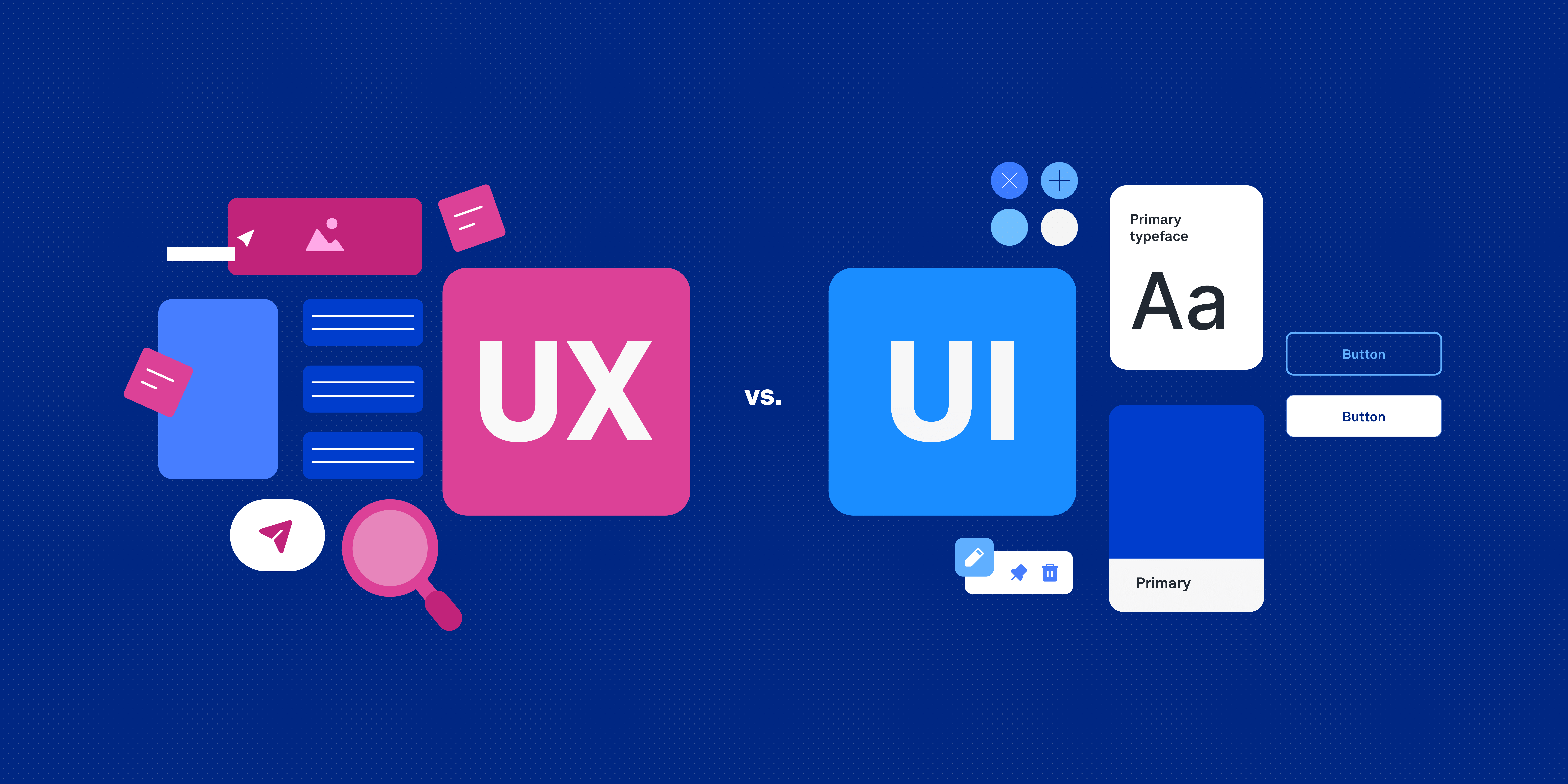
UX work focuses on how people move through a product & whether they can complete tasks easily. UI work focuses more on the visual side, including layouts, colors, typography, buttons, and other interface elements.
Depending on your project, an agency may handle:
User research
Competitor research
User journeys
Wireframes
Prototypes
Interface design
Mobile and desktop layouts
Usability testing
Design systems
Developer handoff
Design revisions
Not every project needs all of these services. A small website redesign might require research, page layouts, and visual design. A complex software product may require extensive research, testing, dozens of screens, and a reusable design system.
That difference explains why two agencies can give you very different quotes for what appears to be the same type of project.
UX/UI Pricing by Engagement Type
Agencies generally use a few common ways to charge for design work.
Fixed project pricing works well when you are able to define the project's scope in a clear manner. The agency agrees to a set fee for specific deliverables. This approach makes budgeting easier, although you should clarify how the agency handles additional requests.
Hourly pricing gives you more flexibility when the scope may change. Current 2026 market sources show agency hourly rates that are commonly ranging from around $100 to $300, although rates vary considerably by location, experience, and type of work.
Monthly retainers suit businesses that need design support continuously. Instead of paying for one large project, you pay a recurring fee for an agreed amount of design work each month. Current agency pricing guides place many retainers in the several-thousand-dollar-per-month range with larger teams costing considerably more.
The best pricing model depends on how clearly you can define the work and how frequently you expect your design needs to change.
What Makes UX/UI Design More Expensive?
A quote can change significantly once an agency understands what your project actually involves. Several factors usually have the biggest impact.
Project Size
A five-page website does not require the same amount of work as a large SaaS platform with dozens of screens and different user journeys.
The more pages, screens, features, and user types your project includes, the more time the design team needs to research, plan, design, review, and refine the experience.
Research Requirements
Some projects can move forward with limited research. Others need interviews, competitor reviews, user testing or deeper research before the design team can make informed decisions.
Research adds to the cost but it can also prevent expensive design mistakes later. If you are building a product from scratch, cutting research simply to lower the initial quote may not save money in the long run.
Number of Design Screens
Agencies often need to design more than the main screens users see first. A product may require different states for errors, empty pages, confirmations, account settings, forms, dashboards, and other interactions.
A project with 10 screens can therefore require much less work than one with 50 or 100 screens, even if both fall under the same general category.
Team Size and Experience
The people working on your project also influence the price. A small agency may assign one or two designers, while a larger engagement may involve designers, researchers, project managers, and other specialists.
More experienced professionals generally charge more, but their involvement can also shorten the learning curve and can help a project to handle more complicated problems. Current agency pricing data shows that both hourly rates and project fees vary substantially based on expertise and team structure.
Location
Where your agency operates can affect its rates. Current 2026 pricing data shows significant differences between regions while agencies in markets with lower operating costs may offer lower hourly rates.
That does not mean the lowest rate offers the best deal. You should compare the agency's experience, process, communication, and final deliverables alongside its location and price.
How Much Should You Budget for Different Projects?
Your budget should reflect what you actually need rather than an arbitrary industry average.
A simple landing page may only need visual design and a responsive layout. A new mobile app may require user research, several user journeys, prototypes, testing, and a complete visual system.
For a small website or focused design task, a few thousand dollars may be enough. For an MVP or mobile application, businesses commonly move into the $10,000–$50,000 range depending on scope. More involved SaaS products & major redesigns can reach $50,000, $100,000, or considerably more. Current agency pricing guides support this broad range and show that complex product work can move well beyond smaller project budgets.
The safest approach is to define your requirements first and then request detailed proposals. That gives agencies enough information to price the actual work rather than guessing from a project title.
How to Tell Whether an Agency Quote Is Reasonable
A high quote does not automatically mean an agency will deliver better work. Likewise, a low quote does not automatically mean you found a bargain.
Start by checking what each proposal includes. One agency might include research, testing, several revision rounds, and developer handoff, while another might only provide the visual designs.
Compare proposals using the same questions:
How much research is included?
How many screens or pages will the agency design?
How many revision rounds do you receive?
Will the agency test the designs with users?
Does the project include mobile and desktop versions?
Will the agency prepare the files for developers?
Who will manage the project?
What happens if you add new requirements?
This approach gives you a much clearer picture of what your money actually buys.
Ways to Keep UX/UI Costs Under Control
You do not have to remove important design work simply to lower your budget. Instead, control the scope.
Start with the most important user journeys and features. If you are building a new product, you can test the core experience before investing in every possible feature.
Give the agency clear requirements before the project begins. Frequent changes can increase both the timeline and final cost, particularly when they affect work the team has already completed.
You should also decide how much research your project genuinely needs. A complex product may benefit from extensive research and testing, while a straightforward marketing page may not require the same level of investment.
Finally, agree on the number of revisions included in the project. Unlimited changes may sound attractive, but they can make both the budget and timeline difficult to control.
Agency vs. Freelancer: Which Is More Cost-Effective?
A freelancer can make sense when you have a small, clearly defined design task and someone on your team can manage the project.
An agency may make more sense when you need several areas of expertise, have a complicated product, or want one team to manage the entire design process. Agencies generally cost more because you are paying for a broader team and additional project support.
Neither option automatically delivers better results. The right choice depends on the size of your project and how much responsibility you want to keep internally.
Questions to Ask Before Hiring a UX/UI Design Agency
Before accepting a proposal, ask the agency:
1. What does the quoted price include?
2. How did you calculate the project cost?
3. How many screens or pages does the quote cover?
4. How much research is included?
5. How many rounds of revisions can we request?
6. Who will work on our project?
7. What happens if the scope changes?
8. Will you test the design before delivery?
9. What will we receive at the end of the project?
10. Are there any additional costs we should expect?
The answers can reveal whether two similar-looking quotes actually offer very different levels of service.
Is UX/UI Design Worth the Investment?
Good UX/UI design should do more than make a product look polished. It should make the experience easier to understand, reduce unnecessary friction, and help users complete what they came to do.
That value becomes especially important when a poor experience could affect sales, sign-ups, customer retention, or product adoption.
At the same time, you do not need the most expensive agency available. Your goal should be to match the level of design work to the importance and complexity of your product.
A small business may get excellent value from a focused engagement, while a company building a major digital product may need a much larger investment.
Final Thoughts
There is no universal price for UX/UI design in 2026. A focused project may cost a few thousand dollars, while a complex digital product can require tens or hundreds of thousands of dollars. Current market data also shows that agencies use very different pricing structures, so comparing the final number alone can give you the wrong impression.
The most useful way to evaluate UX UI design pricing is to look at the work behind the number. Consider the project's size, research requirements, number of screens, team experience, testing, revisions, and final deliverables.
Once you understand what you actually need, you can set a realistic budget and can compare agencies on more than price. That makes it much easier to find a design partner that fits both your project and your expectations.